
Somewhere between 40 and 55, most women hit a wall they didn’t see coming. The workouts that once left you energized now flatten you for two days. You wake at 3 a.m. with your heart pounding, then drag through morning meetings in a fog. Coffee stops working. Nothing on your labs looks catastrophic, but nothing feels right. This is perimenopause — the years-long hormonal shift before menopause — and its most persistent symptom is a bone-deep fatigue that lifestyle tweaks rarely fix on their own.
At MIXT IV Spa in the Los Angeles area, one of the questions we hear most from women in their 40s and 50s is whether NAD+ IV therapy can help. The short answer is yes — with important context. NAD+ works at the cellular level to support the mitochondrial energy production that hormonal transitions disrupt, and delivering it intravenously bypasses the absorption issues that limit oral supplements. Here is what the science says, what a session looks like, and how to know if it belongs in your perimenopause toolkit.
Why Perimenopause Drains Your Energy at the Cellular Level
Perimenopause is not simply “low estrogen.” It is a decade of hormonal turbulence — estrogen swinging from unusually high to unusually low, progesterone dropping steadily, and testosterone thinning out — that reshapes how your cells generate and use energy. Estrogen is a known modulator of mitochondrial function, the tiny organelles inside every cell that convert nutrients into ATP, the body’s usable energy currency. As estrogen becomes erratic, mitochondrial efficiency drops. Fewer functional mitochondria means less ATP, and less ATP is what fatigue actually feels like.
Layer on the poor sleep, elevated cortisol, and inflammatory shifts that accompany this transition, and you have a physiological environment where cells simply cannot keep up with demand. The Menopause Society reports that most women experience symptoms during this stage, and fatigue consistently ranks in the top three complaints, alongside sleep disruption and cognitive changes. Fixing the fatigue means addressing the cellular machinery, not just topping off a nutrient here or there.
What NAD+ Actually Does in the Body
Nicotinamide adenine dinucleotide — NAD+ — is a coenzyme present in every living cell. It is essential to two processes that matter enormously in perimenopause: mitochondrial energy production and DNA repair. Without adequate NAD+, mitochondria cannot efficiently pull energy from food, and the enzymes that repair daily cellular damage (a family called sirtuins) go quiet.
Research summarized by the National Institute on Aging and reported in the peer-reviewed literature shows that NAD+ levels decline steadily with age. By midlife, tissue NAD+ concentrations can be a fraction of what they were in early adulthood. That decline accelerates during periods of physiological stress — which perimenopause qualifies as by any measure.
Why the Decline Matters After 40
Lower NAD+ correlates with slower metabolism, reduced exercise capacity, worse sleep architecture, and diminished cognitive processing speed — a symptom cluster nearly identical to what perimenopausal women describe. Restoring NAD+ will not reverse menopause, but it can reload the cellular batteries that hormonal shifts have partially discharged. A 2018 review in Cell Metabolism outlined how NAD+ precursor therapy improves mitochondrial function in aging tissues, providing part of the mechanistic rationale for IV administration in symptomatic adults.
How NAD+ IV Therapy Addresses Perimenopause Symptoms
Oral NAD+ precursors like nicotinamide riboside can nudge levels upward, but absorption is inconsistent and slow. Intravenous NAD+ delivers the coenzyme directly into circulation, where it becomes available to tissues within hours rather than weeks. For women dealing with the following symptoms, that direct delivery matters.
Persistent Fatigue and Post-Exertional Crashes
The daily “wall” that hits mid-afternoon — or the two-day recovery required after a hike that used to take zero — is often a mitochondrial signaling issue. NAD+ IV therapy has been reported by patients to reduce the amplitude of energy dips and shorten recovery windows, particularly when paired with the amino acid and B-vitamin blends we discuss in our IV therapy for athletes guide.
Sleep Disruption and Circadian Shifts
NAD+ helps regulate the circadian clock through its role in sirtuin activity. Women who describe 3 a.m. wake-ups and unrefreshing sleep often notice modest improvements in sleep quality within one to two cycles of therapy, likely tied to better mitochondrial function in the brain regions that manage arousal and body temperature.
Brain Fog, Word-Finding Issues, and Mental Clarity
Cognitive changes during perimenopause are real and measurable. Neurons are metabolically demanding cells; when NAD+ drops, they are among the first to feel it. Supporting cellular energy in the brain is one reason NAD+ IV therapy is often included in protocols aimed at brain fog and mental clarity, particularly for women navigating high-demand careers on top of hormonal shifts.
Mood, Motivation, and Stress Resilience
NAD+ influences neurotransmitter precursor production and modulates neuroinflammatory pathways. While it is not an antidepressant, patients who begin NAD+ IV therapy for fatigue frequently report a smoother emotional baseline as a secondary benefit — less reactivity, better stress tolerance, and more motivation to move.
What to Expect From a NAD+ IV Session
NAD+ IV therapy is not like a rapid-push vitamin drip. The coenzyme must infuse slowly — typically 250 to 500 mg over two to four hours — because faster rates cause a distinctive chest-pressure sensation that most people find uncomfortable. Skilled clinicians titrate the drip to your tolerance and can slow it down at any point.
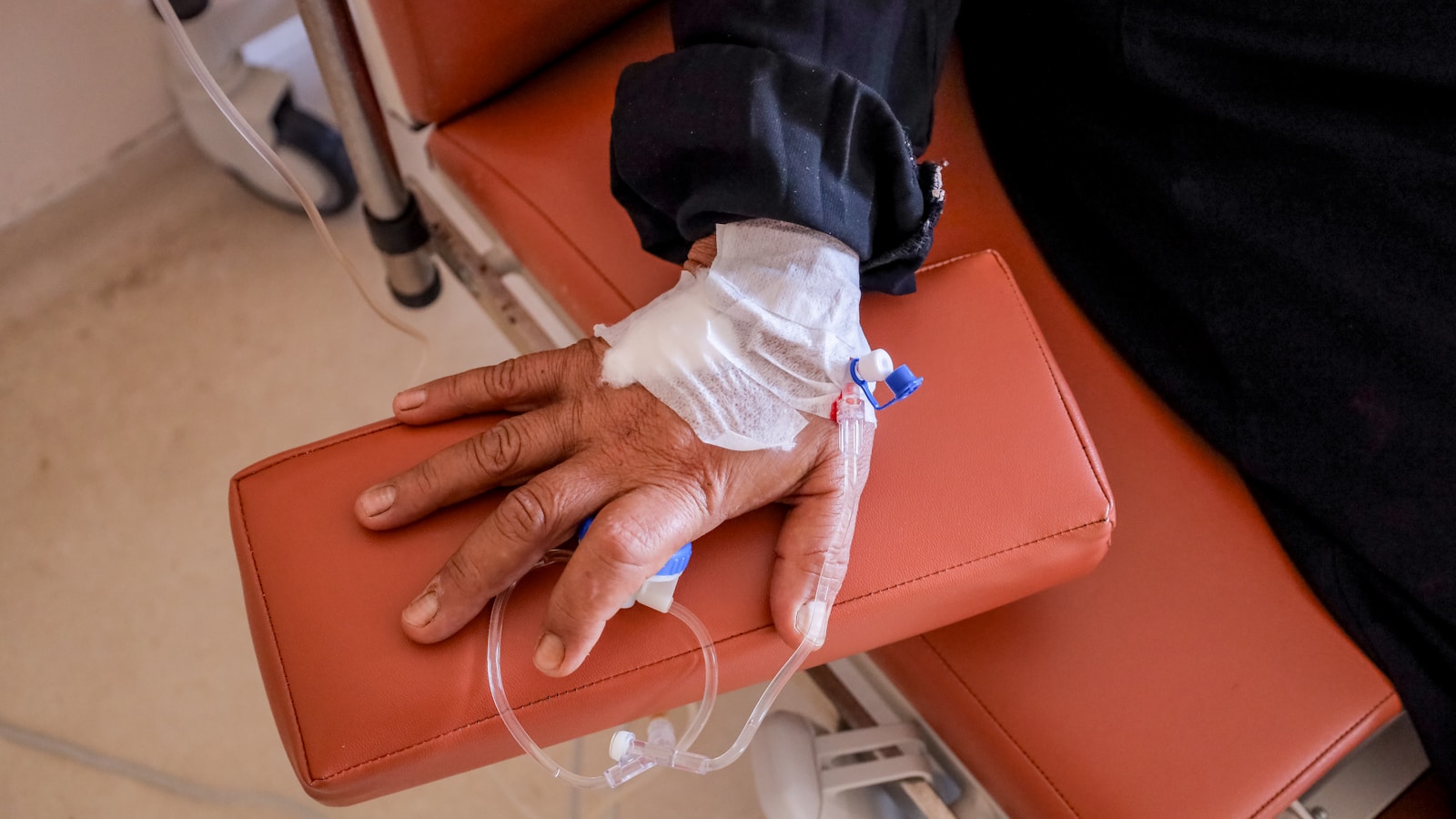
Most protocols start with a loading phase: several sessions in the first two weeks to raise baseline NAD+ levels, followed by monthly maintenance. Sessions take place in a private lounge chair; you can read, work quietly, or nap. Bring a light meal, sip water throughout, and plan for a low-key evening afterward. If NAD+ IV feels like a big first step, many patients begin with a foundational vitamin drip first — our first IV therapy session walkthrough covers what to expect from that experience.
Building a Perimenopause Wellness Protocol
NAD+ IV therapy works best as one element of a broader plan, not a stand-alone fix. In our Los Alamitos clinic, the most successful perimenopause protocols pair NAD+ with the following supports:
- A Myers Cocktail or nutrient IV between NAD+ sessions to shore up magnesium, B-complex, and vitamin C. Our Myers Cocktail guide explains who benefits and why.
- Targeted lab work, including ferritin, a full thyroid panel, vitamin D, and fasting insulin. Perimenopause frequently unmasks pre-existing deficiencies.
- Strength training two to three times weekly to preserve muscle mass, a major determinant of metabolic health after 40.
- Sleep hygiene protocols that account for hormonal wake-ups (cooler bedroom, magnesium glycinate, morning light exposure).
- Coordination with a menopause-literate physician for hormone replacement therapy where appropriate. IV therapy complements HRT; it does not replace it. The American College of Obstetricians and Gynecologists provides useful guidance on when to seek medical evaluation for symptoms.
For patients who prefer regular treatments, our memberships and packages make consistent NAD+ and vitamin infusions more affordable than ad hoc booking.
Is NAD+ IV Therapy Right for You?
NAD+ IV therapy is generally well tolerated by healthy adults, but it is not a fit for everyone. Women who are pregnant or breastfeeding should defer. Those with active cancer, kidney disease, or complex medication regimens should consult their oncologist or nephrologist first. Anyone taking psychiatric medications — particularly SSRIs — should discuss the plan with their prescriber before starting, since NAD+ can influence neurotransmitter dynamics.
The best candidates for perimenopause NAD+ therapy are women with persistent, unexplained fatigue whose baseline labs are unremarkable, who have already optimized sleep, nutrition, and movement to the extent life allows, and who are looking for a cellular-level intervention to complement — not replace — sound hormonal and lifestyle care. If you are unsure whether this fits your situation, our personalized IV therapy quiz can help point you toward the right protocol, or you can call our team at 310-291-0013 to talk through your goals.
The Bottom Line
Perimenopause fatigue is a cellular problem as much as a hormonal one. NAD+ IV therapy directly addresses the mitochondrial and DNA-repair machinery that hormonal shifts disrupt, offering a targeted intervention for the energy, sleep, and cognitive symptoms that lifestyle changes alone often cannot resolve. It is not a substitute for well-managed hormone therapy or foundational habits, but for the right woman at the right stage, it can be the difference between white-knuckling this transition and moving through it with your capacity intact.
Book Your NAD+ IV Therapy Session at Mixt IV Spa
Visit Mixt IV Spa in Los Alamitos, proudly serving Rossmoor, Los Alamitos, Seal Beach, Long Beach, Belmont Shore, and Cypress. Explore our NAD+ IV therapy or energy boost IV options and book a same-day appointment.
Call 310-291-0013 or contact us online.
