
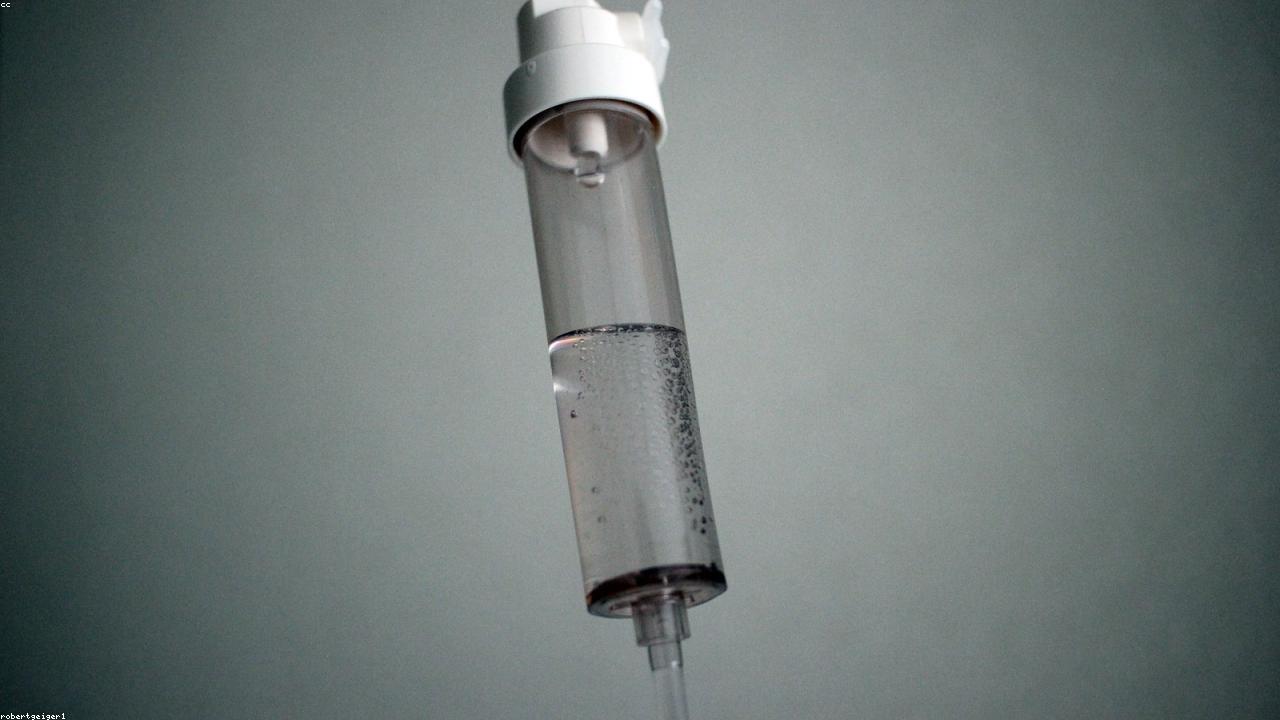
NAD+ IV therapy is generally well tolerated, but most people feel something during the infusion — a mild chest tightness, a warm flush, or a brief wave of nausea that fades when the drip rate is slowed. Serious side effects are rare when the infusion is administered by trained clinicians. At Mixt IV Spa in Los Alamitos, serving Rossmoor, Seal Beach, Long Beach, and surrounding communities, every NAD+ drip is placed by a registered nurse and titrated to your comfort, so the sensations described in this guide stay minor and short-lived.
Ready to try NAD+ IV therapy? Call 310-291-0013 or book a NAD+ IV session at Mixt IV Spa in Los Alamitos, our studio serving Rossmoor and the surrounding communities.
What Is NAD+ and Why Does It Matter?
NAD+ (nicotinamide adenine dinucleotide) is a coenzyme present in every living cell. It shuttles electrons through the mitochondrial electron transport chain, which is the biochemistry that turns food and oxygen into ATP — the energy currency of the body. NAD+ is also required for two other jobs that get a lot of research attention: it activates sirtuins (a family of enzymes involved in cellular repair and metabolic regulation) and it fuels PARP enzymes, which repair broken DNA strands.
The catch is that NAD+ concentrations decline steadily with age. Human tissue studies indexed by the National Institutes of Health show meaningful drops in skin, muscle, brain, and liver tissue as adults move through their 40s, 50s, and 60s. Lower NAD+ correlates with slower recovery, foggier thinking, and reduced metabolic flexibility — not because NAD+ is a “miracle molecule,” but because so many downstream processes depend on it.
An intravenous infusion of NAD+ delivers the coenzyme directly into the bloodstream, bypassing the digestive tract and providing much higher circulating levels than oral NAD+ precursors typically achieve. That is the mechanism behind the benefits described in our post on what NAD+ IV therapy actually does — and it is also the mechanism behind the side effects covered next.
Common NAD+ IV Therapy Side Effects
Because NAD+ is infused straight into the vein, the body registers it quickly. Most people feel something within the first 10–15 minutes. The good news: the side effects are almost always mild, dose-dependent, and controllable by slowing the drip.
Side effects most commonly reported during the infusion:
- Chest pressure or tightness. A dull ache behind the sternum, sometimes described as “feeling like I need to take a deep breath.” It is not cardiac in origin — it appears to be related to the rapid infusion of NAD+ triggering nervous-system feedback. It resolves the moment your nurse turns down the drip.
- Flushing or a hot sensation. Warmth in the face, chest, or scalp, similar to a niacin flush.
- Mild nausea. Usually short-lived and eased by slowing the infusion or sipping cold water.
- Muscle tension or cramping. Most often in the abdomen or jaw, again resolving with a slower drip rate.
- Lightheadedness. Especially in first-timers or those who arrived under-hydrated.
Side effects that can appear after the session:
- Fatigue for 12–24 hours, followed by a delayed energy lift 24–48 hours later.
- Mild headache, usually correcting with hydration.
- Bruising or tenderness at the IV site.
Rare but worth mentioning: allergic reactions to any IV component, phlebitis at the injection site, and blood pressure swings in patients with pre-existing cardiovascular conditions. This is why medical screening before your first infusion matters, and why we prefer higher-dose protocols such as our 500 mg NAD+ IV to be delivered slowly over 3–4 hours rather than pushed in an hour.
The single biggest lever for a comfortable NAD+ IV is drip speed. Nearly every uncomfortable sensation described above disappears when the rate is reduced. A rushed drip is the most common reason people say NAD+ was unpleasant — and it is entirely avoidable.
What Happens During a NAD+ IV Session at Mixt
Your first visit begins with a short intake and a review of your medical history with our clinical team — a step overseen by our medical director, Dr. Jonathan Reitman. If you are cleared, we help you choose a starting dose. Most first-timers do best on 125 mg or 250 mg; regular users often move to 300–500 mg once they know how their body responds.
The infusion is placed in the arm by a registered nurse. Expected chair time by dose:
- 125 mg NAD+ — about 1–1.5 hours
- 250 mg NAD+ — about 2 hours
- 500 mg NAD+ — about 3–4 hours
- 1,000 mg NAD+ (Boost protocols) — spread across two visits
During the drip you will be seated in a private lounge chair with a blanket, water, and headphones if you want them. Your nurse checks in throughout the session and adjusts the rate the moment you report any of the sensations described earlier. Many clients read, work on a laptop, or simply nap.
Immediately after the session, most people feel a bit quiet — not sedated, just settled. The “clarity lift” that NAD+ is best known for typically arrives 24–72 hours later and lasts anywhere from a few days to a few weeks depending on dose, frequency, and underlying baseline. See our related walk-through on what to expect at your first IV therapy session for the full room-to-recovery timeline.
Who Is a Good Candidate — And Who Should Wait?
NAD+ IV therapy is a tool, not a cure. It suits healthy adults who want to address a specific symptom or goal, most often:
- Persistent fatigue that is not explained by a sleep or thyroid issue
- Mild age-related cognitive fog
- Athletic recovery and mitochondrial support
- High-demand executives, shift workers, or new parents who feel “chemically depleted”
- Anti-aging goals (see our companion piece on whether NAD makes you look younger)
You should consult your primary physician before booking if you are pregnant or nursing, currently undergoing chemotherapy, taking immunosuppressants, live with uncontrolled hypertension or heart disease, or have significant kidney or liver disease. We will also ask you to postpone a session if you are acutely ill or dehydrated on the day of your appointment.
If you are unsure whether NAD+ is right for you, an entry point that many clients use is a lower-cost vitamin IV drip to gauge how your body responds to intravenous therapy before committing to a longer NAD+ session.
Frequently Asked Questions About NAD+ IV Therapy Side Effects
Are NAD+ IV side effects dangerous?
For healthy adults, the common side effects (chest pressure, flushing, mild nausea) are uncomfortable but not dangerous. They resolve when the drip rate is slowed. Serious reactions are rare when NAD+ is administered in a clinical setting by trained nurses with physician oversight.
Why does NAD+ cause chest tightness during the infusion?
The chest pressure is thought to be a nervous system response to a rapid rise in circulating NAD+, not a cardiac event. It is directly related to drip speed — slowing the infusion almost always eliminates it within a minute or two.
How long do NAD+ side effects last after the drip is over?
The in-session sensations end when the drip ends. Post-infusion, most people feel quietly tired for 12–24 hours, then experience a delayed energy and clarity lift 24–72 hours later that lasts days to weeks.
Can you have an allergic reaction to NAD+ IV therapy?
Allergic reactions to NAD+ itself are rare because it is a molecule the body already produces. Reactions are more commonly linked to preservatives or saline additives, which is why an intake screening and clinical monitoring during the infusion are standard at Mixt.
Is NAD+ IV therapy safe for people on medications?
Most common medications (statins, SSRIs, thyroid medication, birth control) are not contraindicated. NAD+ should be discussed with your physician if you are on chemotherapy, immunosuppressants, or medications for uncontrolled hypertension or heart disease.
What dose of NAD+ has the fewest side effects?
Lower doses (125–250 mg) are usually best tolerated by first-timers. Higher doses like 500 mg produce a stronger effect but require a longer infusion time (3–4 hours) so the drip rate can stay comfortable.
How can I reduce side effects during my NAD+ IV?
Show up well-hydrated, eat a small meal beforehand, and communicate openly with your nurse. If you feel any pressure, flushing, or nausea, ask them to slow the drip — that is by far the most effective adjustment.
Where can I book NAD+ IV therapy near Rossmoor or Los Alamitos?
Mixt IV Spa provides NAD+ IV therapy at our Los Alamitos studio, serving Rossmoor, Seal Beach, Long Beach, Belmont Shore, and Cypress residents. Call 310-291-0013 or book online.
Book Your NAD+ IV at Mixt IV Spa in Los Alamitos
Ready to try NAD+ IV therapy?
Registered nurses. Physician oversight. Available in Los Alamitos, serving Rossmoor, Seal Beach, Long Beach, Belmont Shore, and Cypress.
Book Your NAD+ IV Therapy Session at Mixt IV Spa
Visit Mixt IV Spa in Los Alamitos, proudly serving Rossmoor, Los Alamitos, Seal Beach, Long Beach, Belmont Shore, and Cypress. Explore our NAD+ IV therapy or IV therapy options and book a same-day appointment.
Call 310-291-0013 or contact us online.
